


OrgaNova Cinema Symphony / The Doll / Ernst Lubitsch and Playing at Cinema - NOSPR
OrgaNova Cinema Symphony / The Doll / Ernst Lubitsch and Playing at Cinema
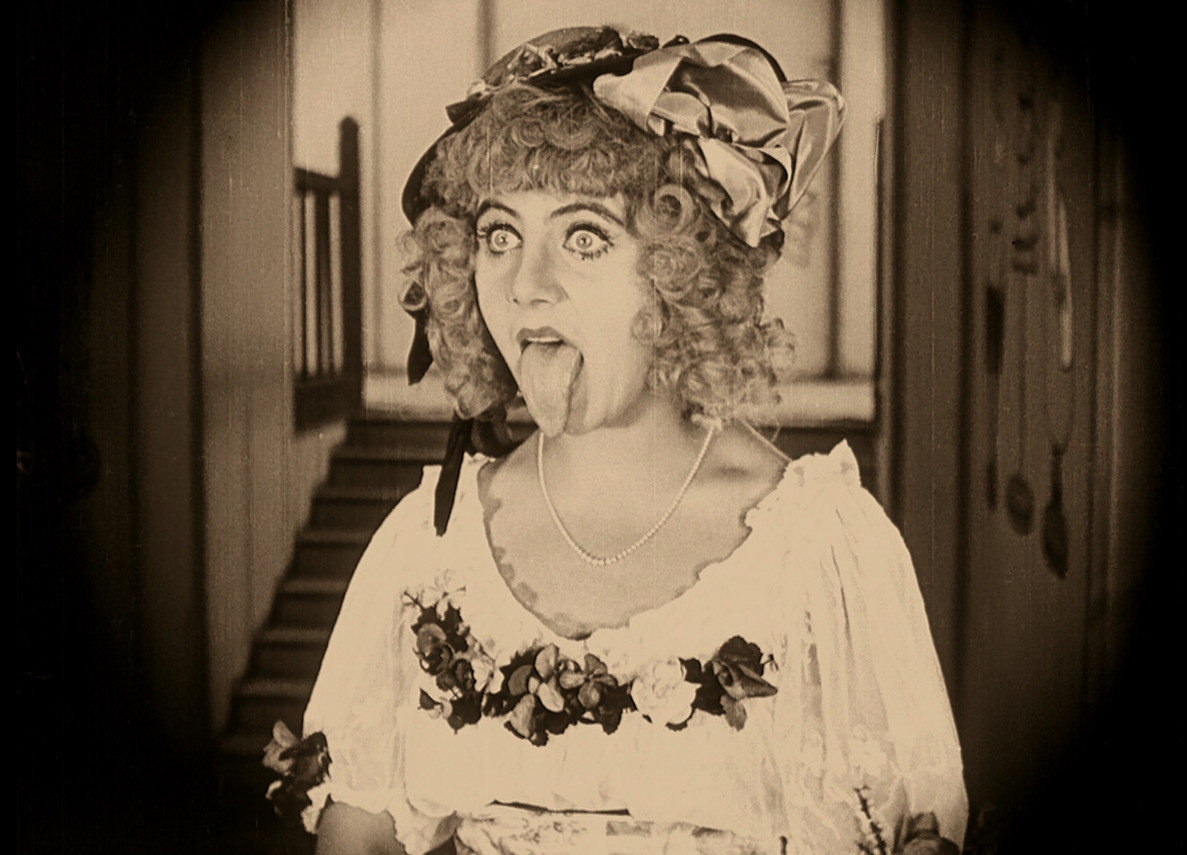
In Hollywood's dream factory, the 1920s and 1930s belonged to him. Today, however, his name is known to few. Ernst Lubitsch, a German director who had already established a formidable reputation in Europe, arrived in America in 1922 together with his star and muse, the Polish actress Pola Negri, with whom he had made several acclaimed films on the continent. Their fame opened the doors of Hollywood to them both. But Lubitsch brought something else across the Atlantic as well: his own distinctive language of cinematic storytelling. It was so original that American filmmakers – and later audiences as well – gave it a name of its own: the ‘Lubitsch Touch’. By infusing Hollywood cinema with European wit, lightness and sophistication, he transformed it forever.
The Doll (Die Puppe), made in Germany in 1919, offers viewers a delightful game of cinematic make-believe. The world on screen is built – quite literally, and before the audience's very eyes – by the director’s own hand. Into this entirely artificial realm of cardboard and paint step living characters, who travel in carriages drawn by mechanical horses... The film's exuberant situational (and verbal) comedy sweeps the viewer into a whirlwind of risqué jokes and situations, into a comedy of errors, disguises and assumed identities. There is also a touch of slapstick (always with a knowing wink), inventive animation, and no shortage of irony or social satire directed at both the clergy and the aristocracy. In the leading role, Ossi Oswalda – often called the German Mary Pickford – captivates with the vividness of her performance and her remarkable physical agility. As a film, The Doll is a perfectly engineered mechanism of cinematic spectacle.
Anita Skwara
Concert duration: aprroximately 90 minutes
Language: intertitles in German
Subtitles: Polish, English
Everything you need to know before you come to the NOSPR – practical advice for those attending events.
We kindly request that you familiarise yourself with the information concerning parking in the Culture Zone – important information about parking.


Upcoming events

Podger / Świątkiewicz / Paths to Bach
Chamber Hall
Sold out

SPIĘTY / WY I ONI – Special Concert featuring FISZ, KORTEZ and BŁAŻEJ KRÓL
Concert Hall
Sold out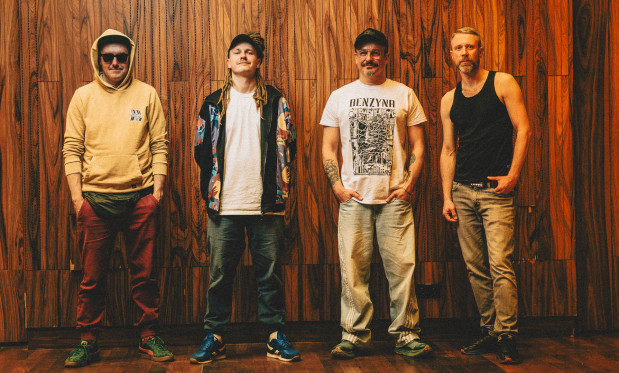
SPIĘTY / WY I ONI – Special Concert featuring FISZ, KORTEZ and BŁAŻEJ KRÓL
Concert Hall
Sold out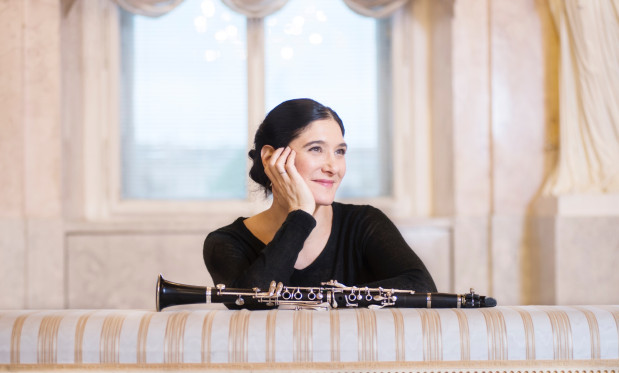
Kam / Duś / Every Colour of the Clarinet / This concert forms part of the European Clarinet Congress.
Chamber Hall
Sold out
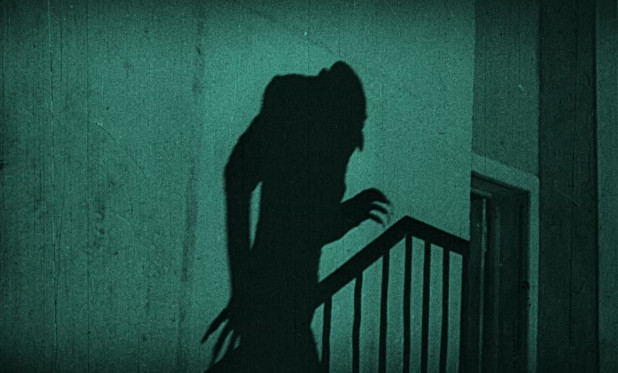
OrgaNova Cinema Symphony / Nosferatu: A Symphony of Horror / Where Fear Dwells
Concert Hall
Last ticketsBuy ticket