



OrgaNova Cinema Symphony / Nosferatu: A Symphony of Horror / Where Fear Dwells - NOSPR
OrgaNova Cinema Symphony / Nosferatu: A Symphony of Horror / Where Fear Dwells
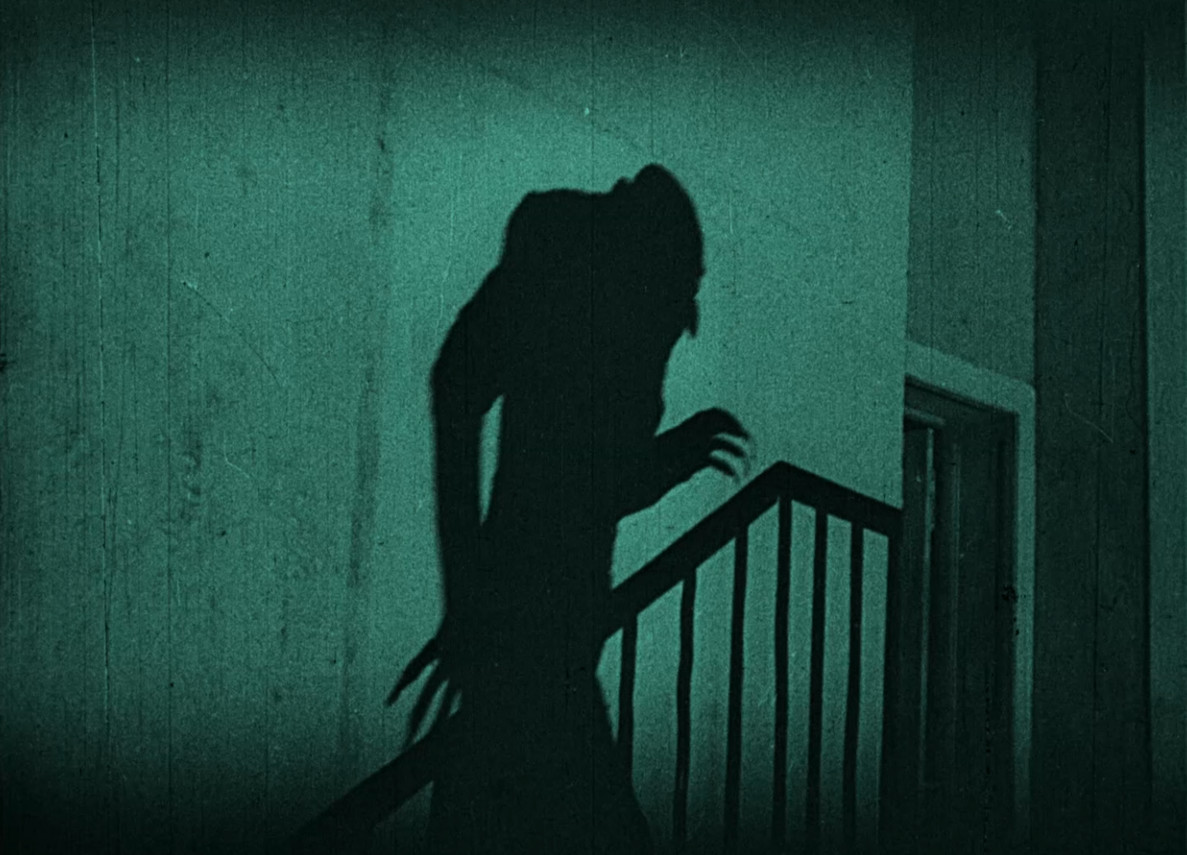
For horror cinema, 1922 marks the beginning of a remarkable history. Out of the darkness of folk legends, whispered tales, Gothic literature and Bram Stoker’s novel, there emerged onto the screen Him: Nosferatu, brought to cinematic life by Friedrich W. Murnau. In the realm of cinematic horror, Count Orlok became its undisputed ruler. This is a remarkable case in the history of cinema: everyone knows the name and the story, even if they have never seen the film. Little wonder, for it has a life of its own beyond the screen and even from before the film.
In 1897, the Irish writer and journalist Bram Stoker created his Gothic tale of vampirism, inspired by legends surrounding the cruel 15th-century Wallachian ruler Vlad Dracula. The great German filmmaker saw in this dark narrative an atmosphere that resonated with the tales of the uncanny and the dark mood that pervaded Germany after the First World War, finding its fullest expression in German Expressionist cinema. Murnau himself, of course, was one of the movement's greatest masters.
What is the source of Nosferatu's greatness? Above all, its sophisticated and, at the time, groundbreaking approach to cinematic storytelling. Murnau masterfully exploits the expressive power of natural locations, shaped through lighting, editing and composition within the film frame. Here, the shadows cast by bare tree branches can be just as terrifying as the monstrous silhouette of the stealthily advancing vampire. In the age of computer-generated special effects, does Nosferatu still possess its demonic power? Does it still frighten? Perhaps not. Yet it continues to haunt cinemas.
For horror cinema, 1922 marks the beginning of a remarkable history. Out of the darkness of folk legends, whispered tales, Gothic literature and Bram Stoker’s novel, there emerged onto the screen Him: Nosferatu, brought to cinematic life by Friedrich W. Murnau. In the realm of cinematic horror, Count Orlok became its undisputed ruler. This is a remarkable case in the history of cinema: everyone knows the name and the story, even if they have never seen the film. Little wonder, for it has a life of its own beyond the screen and even from before the film.
In 1897, the Irish writer and journalist Bram Stoker created his Gothic tale of vampirism, inspired by legends surrounding the cruel 15th-century Wallachian ruler Vlad Dracula. The great German filmmaker saw in this dark narrative an atmosphere that resonated with the tales of the uncanny and the dark mood that pervaded Germany after the First World War, finding its fullest expression in German Expressionist cinema. Murnau himself, of course, was one of the movement's greatest masters.
What is the source of Nosferatu's greatness? Above all, its sophisticated and, at the time, groundbreaking approach to cinematic storytelling. Murnau masterfully exploits the expressive power of natural locations, shaped through lighting, editing and composition within the film frame. Here, the shadows cast by bare tree branches can be just as terrifying as the monstrous silhouette of the stealthily advancing vampire. In the age of computer-generated special effects, does Nosferatu still possess its demonic power? Does it still frighten? Perhaps not. Yet it continues to haunt cinemas.
Anita Skwara
Concert duration: approximately 120 minutes
Language: intertitles in German
Subtitles: Polish, English
Everything you need to know before you come to the NOSPR – practical advice for those attending events.
We kindly request that you familiarise yourself with the information concerning parking in the Culture Zone – important information about parking.
Principal Patron of NOSPR

Upcoming events
NOSPR Chamber Musicians / Sałajczyk / Banasik / Krzeszowiec / Lato / Zambrzycki / The Secret Garden of Eugeniusz Knapik
Chamber Hall
Buy ticket
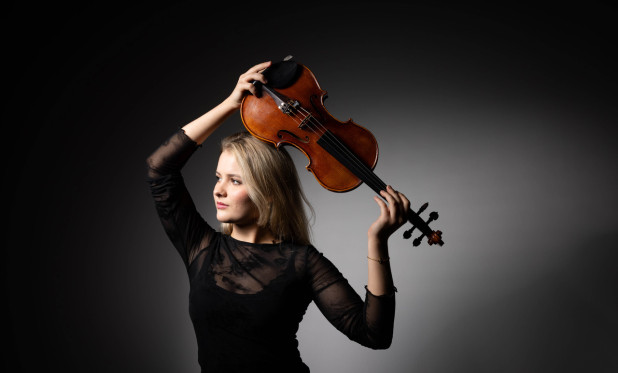
Olesik / Zathey / ‘In the Orbit of the International Henryk Wieniawski Violin Competition’
Chamber Hall
Buy ticket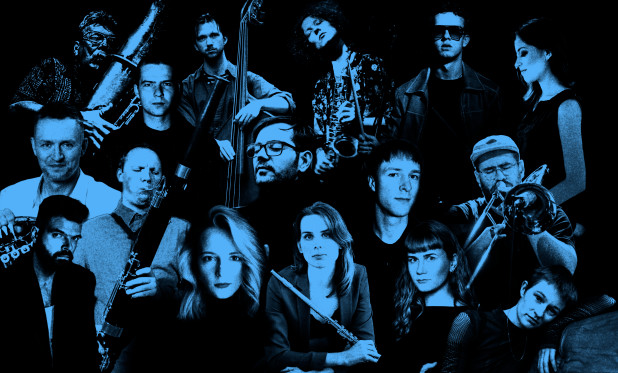

Season Inauguration / NOSPR / Alsop / Shaham / The Birth of a World
Concert Hall
Sold out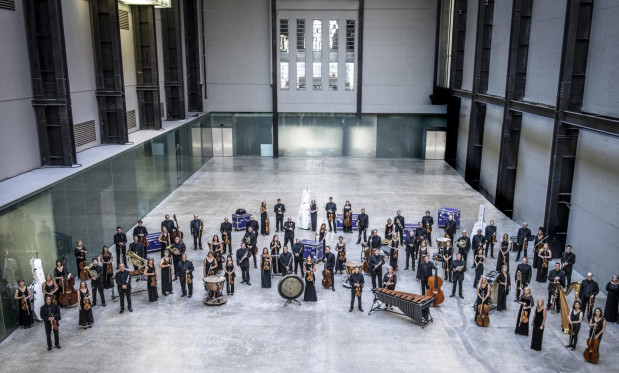
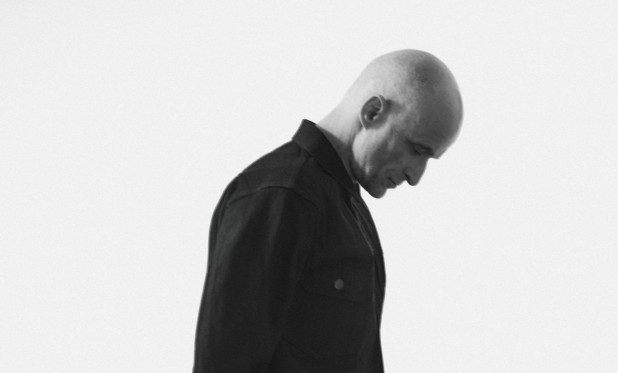
Artur Rojek / Chciałbym urodzić się żeby latałem – I Wish I Was Born So I Could Flyed Tour 2026 / sold out
Concert Hall
Sold out
Artur Rojek / Chciałbym urodzić się żeby latałem – I Wish I Was Born So I Could Flyed Tour 2026 / sold out
Concert Hall
Sold out