


NOSPR / Axelrod / Metzger / Symphonic Visions of Identity - NOSPR
NOSPR / Axelrod / Metzger / Symphonic Visions of Identity
Antonín Dvořák defined the national characteristics of music in his homeland and made an immense contribution to Czech cultural identity. Towards the end of the nineteenth century, Americans were engaged in their own debate about what might constitute their own distinctively national musical voice, and so they invited an expert to assist them in developing their know-how. The task was not an easy one, since classical music had never been a native tradition in the United States. Besides, what can truly be regarded as native in a country created by immigrants?
By the standards of the time, Dvořák’s thinking was remarkably progressive and bold. He took a serious interest in the musical traditions of Indigenous peoples and became quite familiar with African American spirituals. Debate over the ‘Americanness’ of his Symphony No 9 ‘From the New World’ would continue for decades, for the Czech composer filtered what he had encountered through his own artistic sensibility. He employed no direct quotations, relying instead on stylistic evocation. Today, Charles Ives is more often regarded as the first truly American symphonist, yet the status of Dvořák’s masterpiece remains entirely secure.
The Czech Suite presents a considerably more straightforward case: three of its movements are stylisations of native Czech folk dances. The polka, the sousedská, and the furiant can be recognised without difficulty, making the work a vivid example of Dvořák’s early compositional style.
Marcel Dupré remains little known outside specialist circles devoted to organ music. A grandmaster of the instrument, he was also an heir to the great French organ tradition (like Dvořák, he contributed to the development of classical music across the Atlantic). In his Organ Concerto in E minor, he harnesses the modern organ’s power of sound and abundance of colour to create a symphonic space of cinematic scale.
Adam Suprynowicz (Polskie Radio)
Concert duration (intermission included): approximately 120 minutes
Everything you need to know before you come to the NOSPR – practical advice for those attending events.
We kindly request that you familiarise yourself with the information concerning parking in the Culture Zone – important information about parking.
Principal Patron of NOSPR
Upcoming events
Artur Rojek / Chciałbym urodzić się żeby latałem – I Wish I Was Born So I Could Flyed Tour 2026 / sold out
Concert Hall
Sold out
Artur Rojek / Chciałbym urodzić się żeby latałem – I Wish I Was Born So I Could Flyed Tour 2026 / sold out
Concert Hall
Sold out
Igor Herbut: Żeremie Tour 2026
Concert Hall
Sold out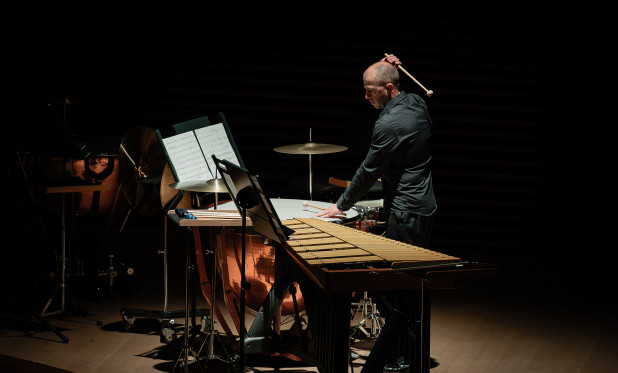
NOSPR Chamber Music / Percussion Group / The Melody of Rhythm
Chamber Hall
Sold out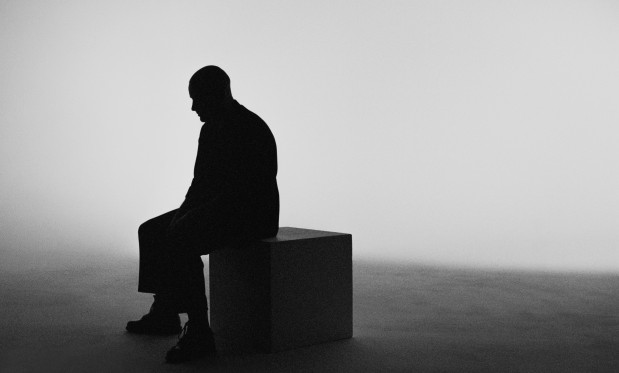
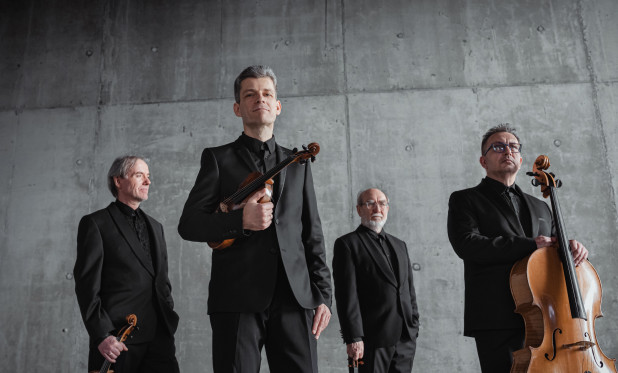
Silesian String Quartet and Guests / First Concert in the Series: Alexandre Tansman in France
Chamber Hall
Buy ticket